

Lucid is preparing one of the most important models in its short history. The new Cosmos, a mid-size electric SUV, has been photographed during road testing near the company’s factory in Casa Grande, Arizona. The image is especially interesting because the prototype appears next to a Tesla Model Y, allowing a fairly clear first comparison of its real-world proportions.
Both vehicles seem to occupy a very similar category, confirming Lucid’s intention to move directly into the territory of the world’s best-selling family electric SUV. Until now, the American brand has focused on expensive models such as the Air sedan and the Gravity SUV, but it needs a more accessible product if it wants to grow seriously and move closer to profitability.
The Cosmos will be part of Lucid’s new mid-size platform, an architecture designed to reduce costs and increase production volume. With an expected price below $50,000, the model would represent a major shift compared with Lucid’s current six-figure vehicles and would sit much closer to the Tesla Model Y, Rivian R2 and some well-equipped versions of mainstream electric SUVs.
One of its strongest arguments will be efficiency. Lucid is targeting around 483 kilometres of range with a relatively compact 69 kWh battery. The key would be very low energy consumption, around 13.8 kWh per 100 kilometres, a highly competitive figure for a mid-size electric SUV. This approach matters because it does not simply deliver useful range. It also allows Lucid to use smaller batteries, reduce costs, contain weight and improve margins.
The Cosmos could also recover more than 320 kilometres of range in just 14 minutes of DC fast charging. On the technical side, Lucid is expected to use its new Atlas drive unit, developed to be more compact, efficient and cheaper to manufacture than the systems used in its larger models. According to the available information, this unit would offer higher power density, fewer parts and a significant cost reduction compared with the Zeus system used in the Gravity.
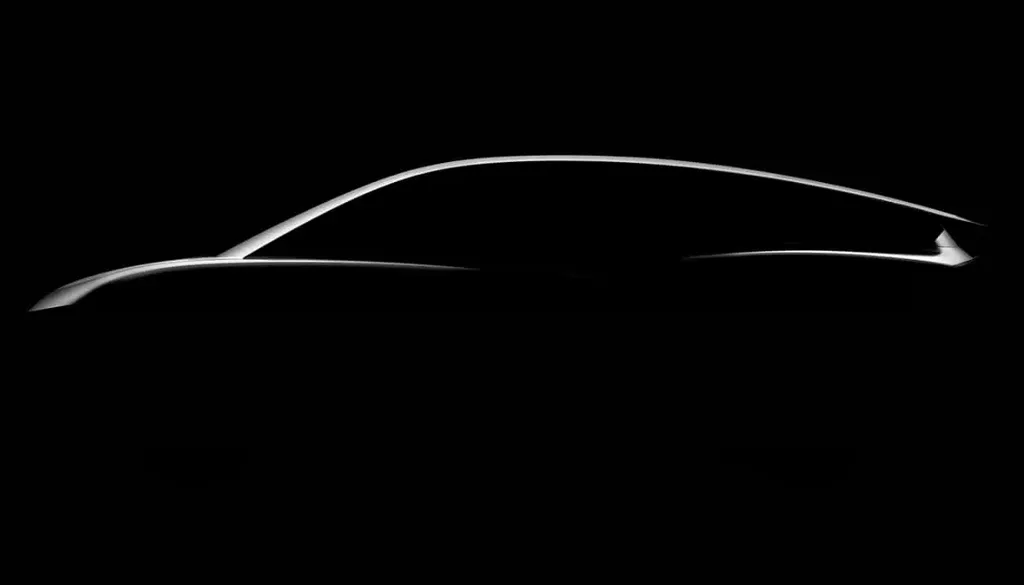
In its all-wheel-drive configuration, the Cosmos should also offer very strong performance, with 0 to 100 km/h acceleration in approximately 3.5 seconds. It is also expected to include bidirectional charging functions, with V2H, V2L and V2V capability, allowing the car to power a home, external devices or even transfer energy to another vehicle.
For Europe, the Cosmos could also play an important role if Lucid manages to accelerate its commercial expansion. The brand still does not officially sell cars in Spain, although its plans involve starting its arrival in the Spanish market with the Lucid Gravity, expected from the end of the summer. If the Cosmos later reaches Spain, it would enter a particularly competitive segment, where price, range, efficiency and sales network will be crucial to convince increasingly demanding buyers.