
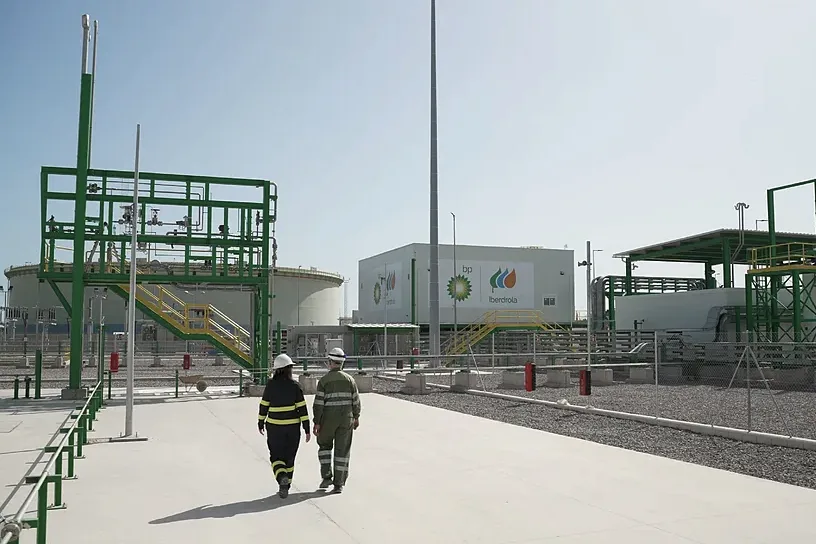
The Castellón facility has a more credible use case than many of the hydrogen applications promoted in recent years. BP’s refinery already consumes hydrogen continuously in its industrial processes, has infrastructure to handle it and can replace part of the grey hydrogen currently produced from natural gas. In that context, using renewable electricity to make hydrogen can reduce emissions from an existing industrial activity. It is very different from trying to justify hydrogen for private cars, residential heating or urban buses, where direct electrification is usually more efficient, simpler and cheaper.
However, having a reasonable industrial use case does not mean the economic model has been solved. The first facility has 25 MW of capacity and required around €75 million in investment, in addition to €15 million in support from Spain’s recovery plan and European funds. It will now receive a reallocation of up to €211 million from the IPCEI Hy2USE programme. The scale of that support makes one point clear: green hydrogen is not yet expanding because it can compete on its own economics, but because governments consider it strategic enough to support with public money.
It is also important not to present the €211 million as final approval for a 200 MW plant. Iberdrola and BP state that the funding will allow them to explore opportunities to increase production in Castellón. That means the expansion still needs to prove that there are buyers, supply contracts, sufficient renewable electricity and a final cost that customers can absorb. The 25 MW plant is a physical reality. The move toward 200 MW remains an industrial ambition dependent on whether the numbers work.
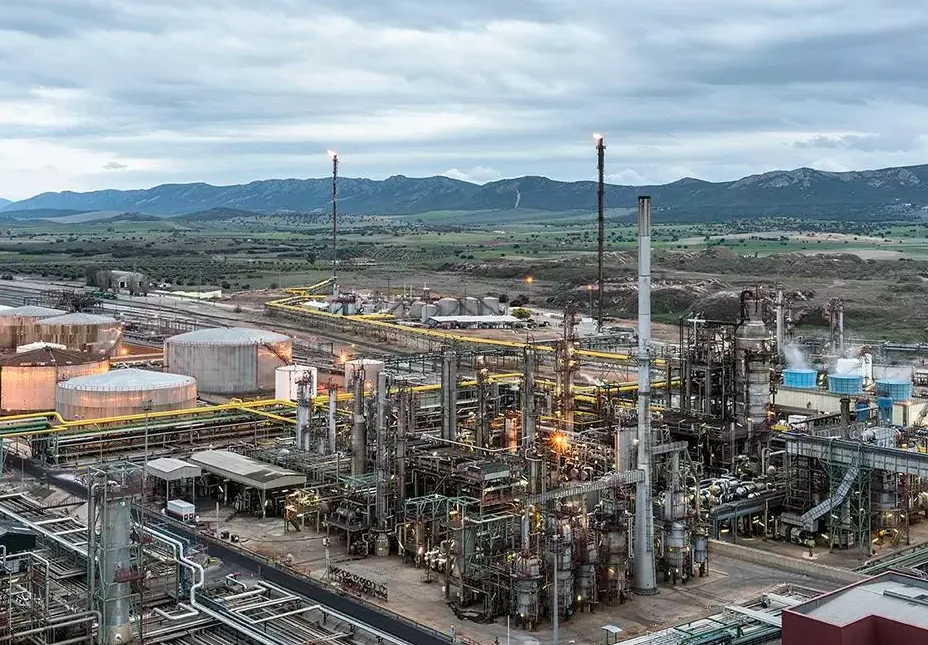
The Hydric Power case in Puertollano is a reason for caution. The project, backed by RIC Energy and Repsol, proposed a large renewable hydrogen facility linked to Repsol’s industrial complex, but it was abandoned before reaching a final investment decision after being judged technically and economically unviable. The issue was not a lack of announcements or institutional interest. It was that the project could not demonstrate a cost structure and commercial model strong enough to justify moving ahead. It is a reminder that a nearby refinery, a potential industrial buyer and a decarbonisation narrative are not enough on their own to turn a hydrogen proposal into bankable infrastructure.
The deeper issue is that green hydrogen competes with several alternatives that use each megawatt-hour of renewable electricity more effectively. Turning electricity into hydrogen through electrolysis, compressing it, storing it, transporting it and using it again involves significant losses. When a factory can electrify a process directly, use a heat pump, install an electric furnace or rely on batteries for energy management, hydrogen usually starts with an efficiency and cost disadvantage. Its role should therefore be limited to processes where a viable electric alternative does not exist, rather than being treated as a universal answer to every energy challenge.
The Castellón case may make sense precisely because it starts with existing industrial demand, but important questions still remain. The hydrogen produced will reduce the carbon footprint of a refinery, yet it will not by itself transform the nature of a complex whose core activity remains linked to oil. In addition, any future expansion will need to show that the electricity used is genuinely additional renewable generation and is not competing with more efficient uses of the same power, such as electrifying homes, transport or industry.
Europe’s current hydrogen landscape does not justify assuming that every major announcement will become reality. Low-emissions hydrogen projects are progressing, but delays, cancellations and lower targets show that high costs, uncertain demand, missing infrastructure and dependence on subsidies remain decisive barriers. The risk is that industrial policy ends up funding plants and networks built around overly optimistic consumption forecasts, while taxpayers carry the cost of a technology that has not yet demonstrated it can compete reliably without support.
The Castellón plant may be useful as an industrial test and can reduce emissions compared with the grey hydrogen it replaces. But the important question is not whether the project can be built with subsidies, but whether it can operate and expand once those subsidies begin to fade. Green hydrogen may have meaningful niches in chemicals, fertilisers, steelmaking and high-temperature industrial processes, but its future should not be measured by the amount of funding allocated or the number of megawatts announced. It should be measured by its ability to displace fossil fuels efficiently and remain economically viable against more direct electric alternatives.