
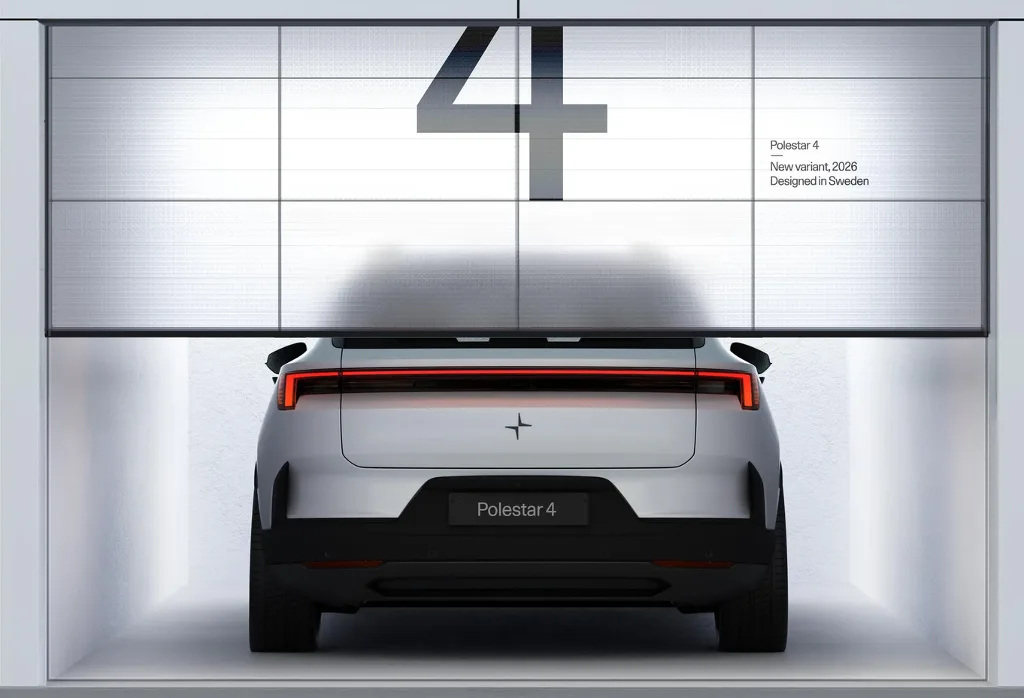
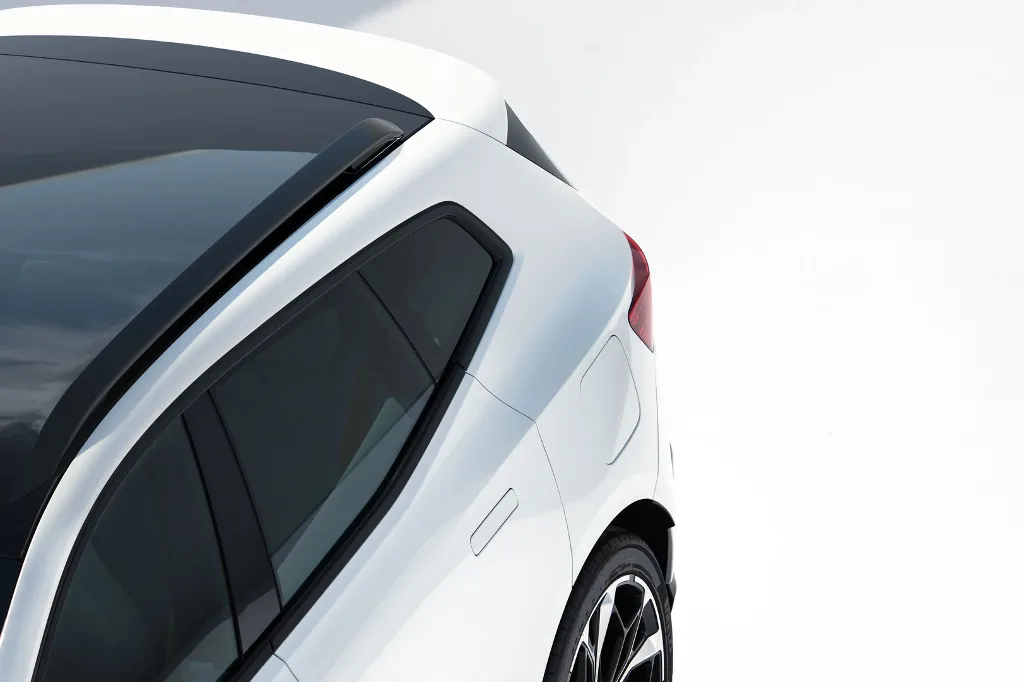
The Polestar 4 SUV will become the more practical version of the brand’s current best-selling model. Although Polestar calls it an SUV, its proportions appear closer to those of a raised sporting estate or shooting brake than a traditional high-riding SUV. The main change will be at the rear, where the Coupé’s fastback shape will make way for a flatter roofline, a rear windscreen and a more vertical tailgate that should improve both boot access and cargo capacity.
The rear window will be a major change within the Polestar 4 family. The existing Polestar 4 Coupé has no rear window at all and relies on a rear-facing camera connected to a digital rear-view mirror. The new SUV will return to a more conventional solution, although its design will remain highly streamlined and rearward visibility is still likely to depend heavily on cameras and driver-assistance systems. It will be interesting to see whether Polestar keeps the digital rear-view mirror as standard equipment or offers it alongside the new rear window.
In terms of dimensions, the new model should remain very close to the Polestar 4 Coupé, which measures 4.85 metres long, 2.01 metres wide and has a wheelbase of almost three metres. The difference will be less about exterior size and more about how the available space is used. A less sharply sloping roof could mean more rear headroom, an easier-to-load boot and a shape better suited to families or customers looking for a premium electric car with greater practicality.
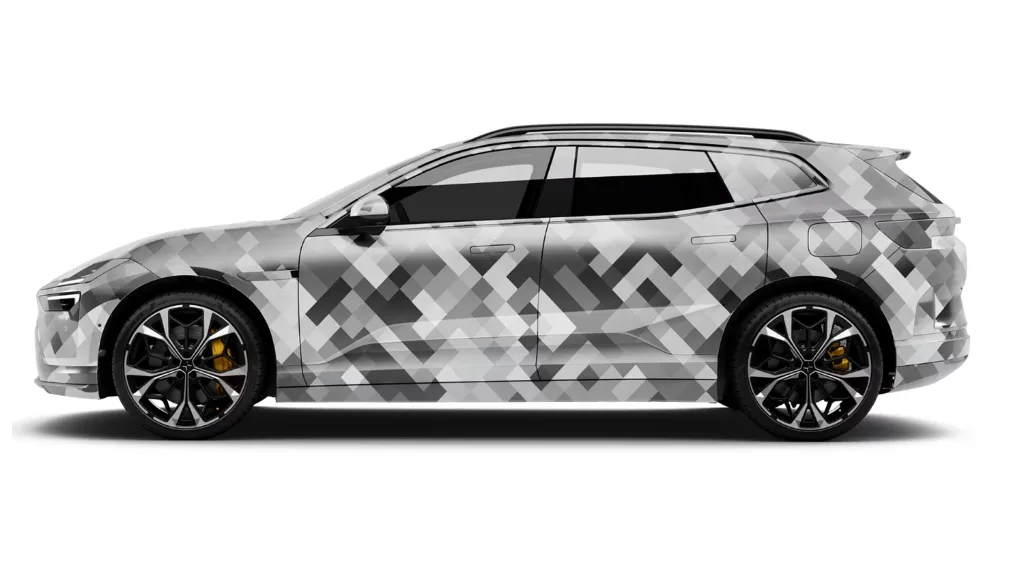
No major technical surprises are expected. The Polestar 4 SUV will use Geely’s SEA platform and retain the Coupé’s 400-volt architecture. The Rear motor version is expected to use a 200 kW electric motor, equivalent to 272 hp, while the Dual motor model should combine two electric motors for a total output of 400 kW, or 544 hp. Both versions are expected to use a 100 kWh battery, with up to 630 km of WLTP range in rear-wheel-drive form.
Fast charging will remain one of the areas where the Polestar 4 SUV falls behind some newer rivals. Its 400 V architecture allows peak DC charging of around 200 kW, enough for a 10% to 80% charge in roughly 30 minutes, but still well behind the times already offered by 800 V electric cars. The Polestar 3 has already moved to that architecture, making it notable that the Polestar 4 SUV will retain a less advanced technical base despite being a new model variant.
The Polestar 4 SUV will be built at Renault Korea Motors’ Busan plant in South Korea, as part of the partnership between Geely and Renault. This production location could be especially important for Europe because it diversifies manufacturing beyond China and may reduce the vehicle’s exposure to trade measures aimed at Chinese-built electric cars. Polestar has made clear that Europe is now its priority market, and a more practical Polestar 4 could be a better fit for a region where family SUVs and electric estates are becoming increasingly important.
The main remaining question is price. Polestar has not yet confirmed final pricing or market-specific specifications, but the SUV is expected to sit close to the Polestar 4 Coupé. The brand will need to justify its position against alternatives such as the Tesla Model Y, Porsche Macan Electric, Audi Q6 e-tron and next-generation BMW iX3. Its distinctive design, Scandinavian identity and premium positioning may be compelling arguments, but a 100 kWh battery and 400 V charging system will also make competitive pricing essential.