
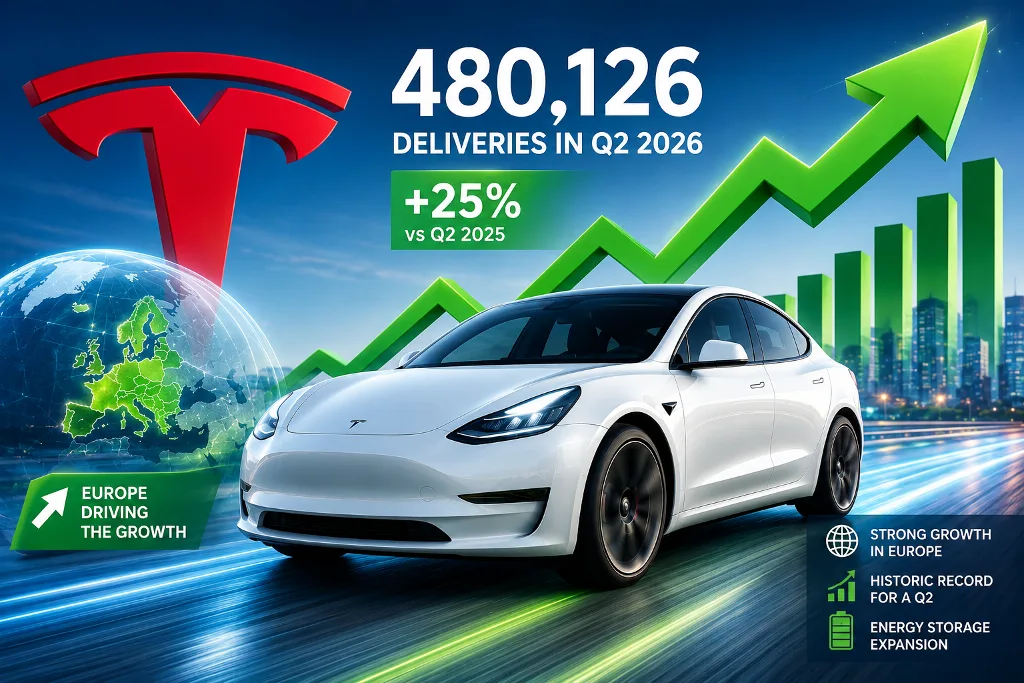
Tesla closed the second quarter of 2026 with a result that few analysts expected. Its 480,126 global deliveries were well above market expectations, which had been close to 400,000 units, and represented a 25% increase compared with the same period last year. The figure was also a major improvement from the first quarter, when Tesla delivered 358,023 vehicles and accumulated a significant volume of unsold inventory.
The company produced 451,758 vehicles during the quarter, fewer than it delivered. That difference shows Tesla used part of its inventory to meet demand and reduce the surplus built up at the beginning of 2026. In the first quarter, Tesla had produced more than 50,000 vehicles above its delivery volume, increasing concerns about the true strength of demand. The second quarter does not remove every concern, but it does show much better production and inventory management.
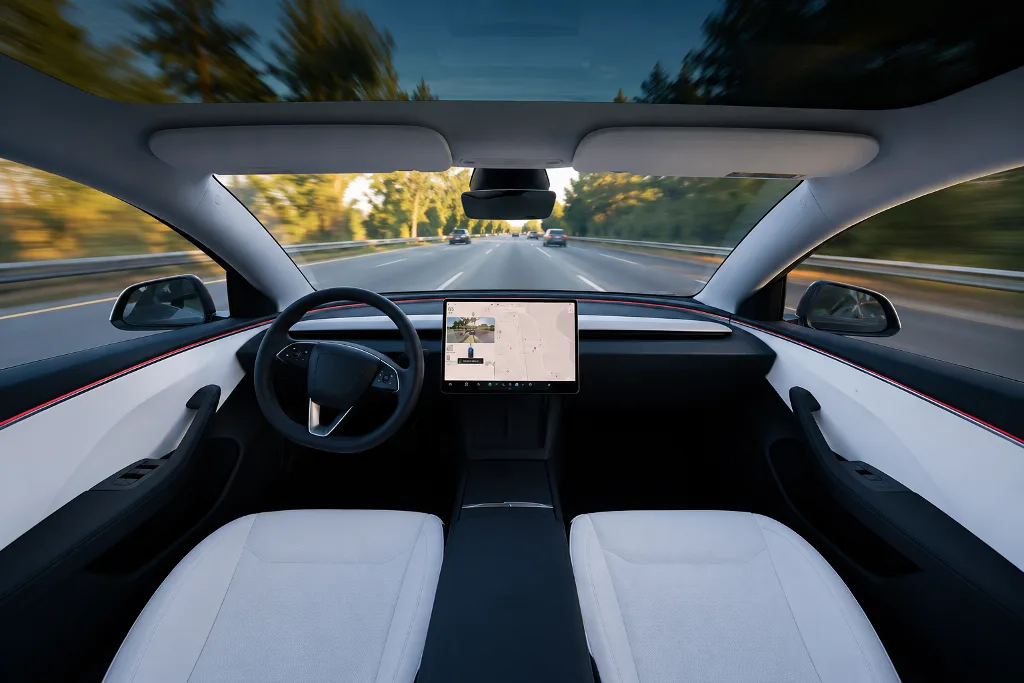
The Model 3 and Model Y continued to carry almost the entire business. Tesla produced 442,936 units of the two models and delivered 467,762, confirming that they remain the company’s commercial backbone. The rest of the range, including the Cybertruck, Semi and other low-volume models, contributed 12,364 deliveries. This concentration around two core models is still a strength in terms of scale, but it is also a strategic weakness compared with rivals that have broader line-ups and more frequent product renewals.
Europe was one of the most important contributors to the quarter. Tesla registrations rose sharply in June across several key markets: more than doubled in France, up 56% in Sweden, 39% in Denmark and around 43% in Italy and Portugal. Spain recorded more modest growth of roughly 5.6%, while Norway saw a significant decline. Europe’s recovery appears to be supported by a combination of higher fuel prices, incentives in some markets, corporate fleet electrification and the updated Model Y.
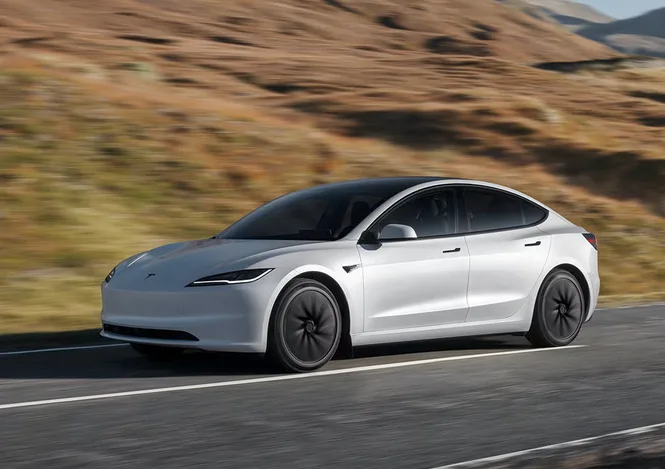
The rebound is particularly relevant because Tesla had been going through a difficult period in Europe. The company has faced stronger competition from Chinese manufacturers, especially BYD, together with a limited model range and a more polarised public perception around Elon Musk. June’s improvement does not mean Tesla has solved all of its European challenges, but it does suggest that the refreshed Model Y and a more aggressive commercial strategy are helping the company regain some lost ground.
Tesla also narrowed the gap with BYD in the global battery-electric vehicle market. BYD retained the lead with 557,090 battery-electric vehicles sold during the quarter, but Tesla reduced the difference significantly thanks to its strong growth. The comparison matters because the two companies are moving along very different paths: BYD is expanding its line-up quickly and increasing its overseas presence, while Tesla remains highly dependent on two global models and its ability to keep the Model 3 and Model Y competitive.
Beyond cars, Tesla deployed 13.5 GWh of energy-storage products during the quarter. This division continues to gain importance inside the company and benefits directly from the growth of solar generation, more renewable-heavy electricity grids and the need for large-scale storage. While the market still values Tesla mainly around its promises in autonomous driving, robotaxis and robotics, the energy business is becoming one of its most stable areas and one with the strongest long-term growth potential.
The stock market, however, reacted coolly. Tesla shares fell despite record second-quarter deliveries, in a classic “sell the news” response after the stock had risen strongly ahead of the report. Investors appear to be drawing a clear distinction: vehicle numbers have improved, but they are still waiting for answers on profitability, lower-cost models, robotaxi expansion and Tesla’s ability to compete over the coming years with BYD and traditional manufacturers accelerating their electric-car strategies.