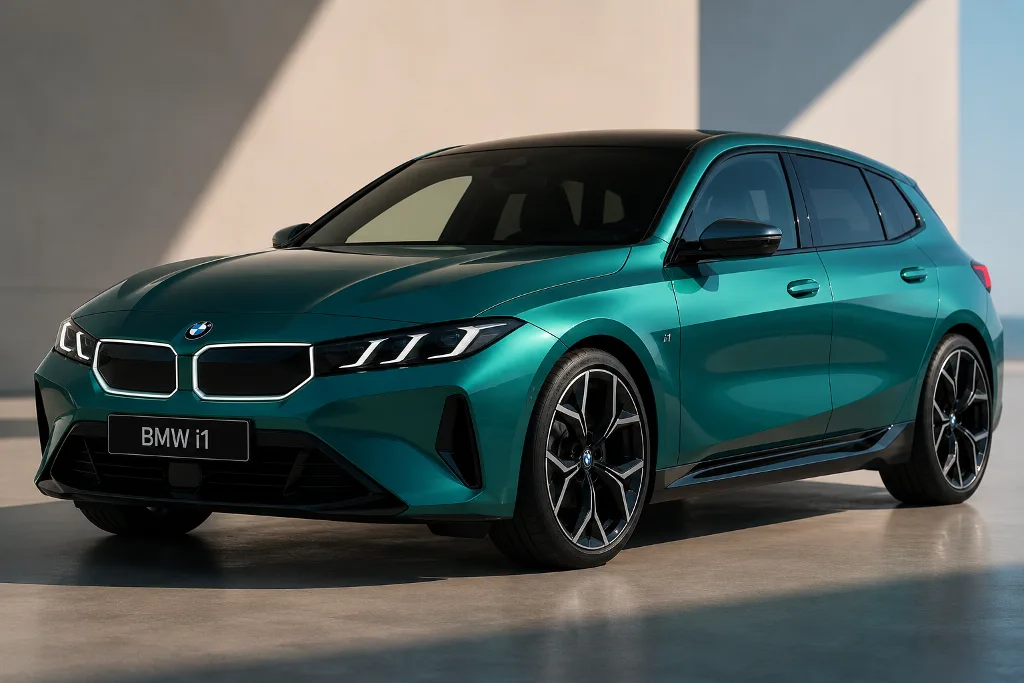
BMW does not want to abandon the compact segment, even as many manufacturers shift their efforts towards SUVs and higher-margin models. The next-generation 1 Series is due to arrive in 2028 and will remain one of the brand’s key models, especially in European countries where this type of car still plays an important role. The big news will be the arrival of an electric version, expected to be called the BMW i1, which will sit alongside combustion and hybrid variants within the same commercial family.
The future i1 will not simply be an electric adaptation of the current 1 Series. According to the available information, it will use a dedicated electric platform, known as Gen6, while the combustion versions will continue to rely on the current model’s UKL2 architecture. This means both variants will have different technical personalities: the electric model will be based around a rear-driven layout, while the combustion 1 Series will continue to use a front-wheel-drive foundation. In practice, this should allow BMW to offer an electric compact with a more dynamic character and a stronger link to the brand’s traditional driving feel.
In terms of performance, the electric i1 is expected to use a single rear motor in its more powerful standard versions, with a maximum output of 322 bhp, around 326 hp. The platform can also support a dual-motor configuration, which could open the door to a future performance version carrying an M badge. In that case, power could be close to 463 bhp, equivalent to around 469 hp, although this remains a future possibility rather than a confirmed variant.
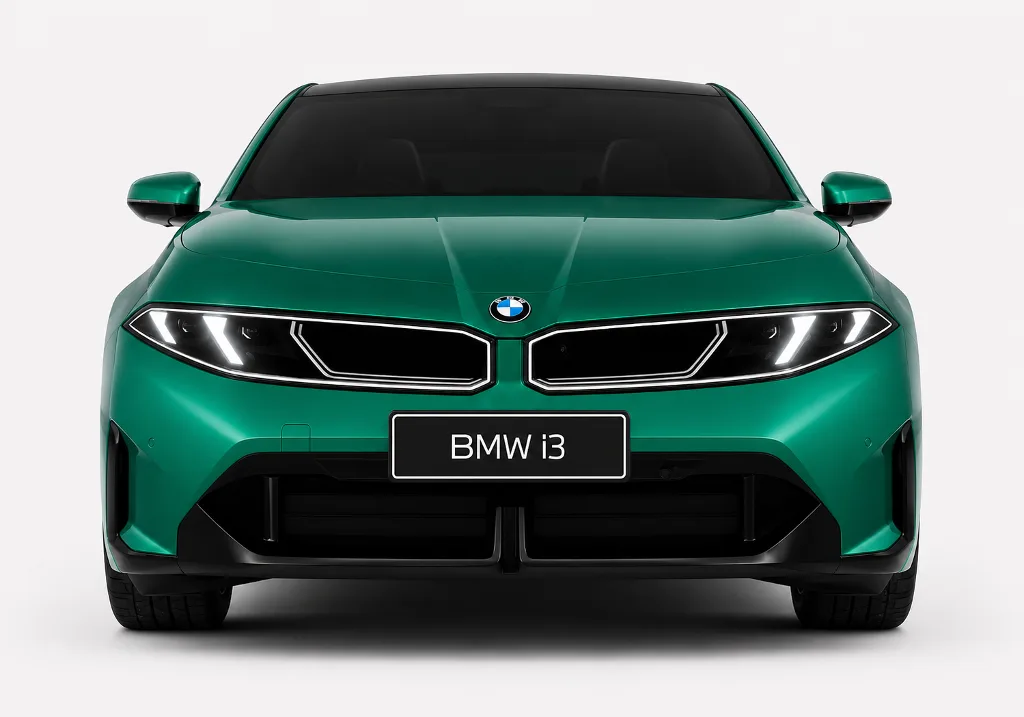
Range is not expected to match the figures of the future i3, as the compact model will use a smaller battery due to its more limited dimensions. The design will remain that of a five-door compact hatchback, at least as a starting point, while some rivals may move towards a silhouette closer to that of a small MPV. BMW will apply the Neue Klasse design language, first seen on the iX3 and i3, but without turning the i1 into a simple scaled-down copy of other models. The brand insists that each car will have its own character, with differences in grille design, proportions, silhouette and surface treatment. The flexibility of the electric platform also leaves open the possibility of a three-door body style, although only for the electric variant.
The interior will also change significantly. The new 1 Series will adopt the cabin philosophy of the Neue Klasse family, with an angled central screen of around 17 inches and the Panoramic iDrive system replacing a conventional instrument cluster. BMW wants its latest technologies, including ADAS systems and new artificial intelligence modules, to be available regardless of the chosen powertrain. That will be one of the key ideas behind the next 1 Series: allowing buyers to choose between combustion, hybrid or electric power, without being left out of the brand’s new generation of technology.