
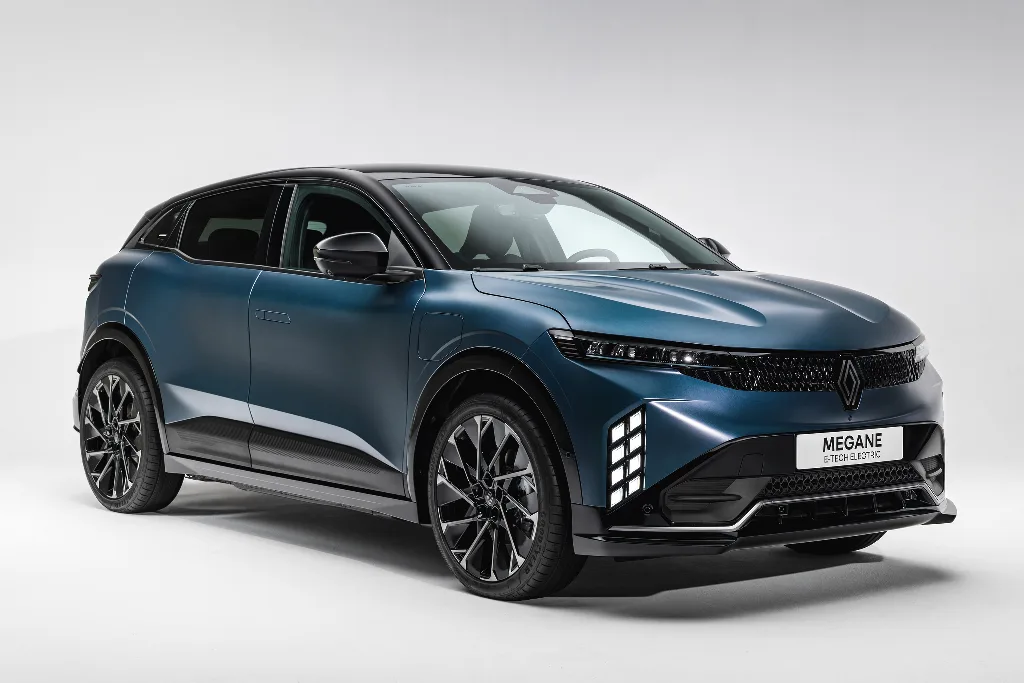
The Renault Megane E-Tech Electric is receiving the usual mid-cycle update to remain competitive in a C-segment EV market that is far more crowded than it was when the model arrived in 2022. Renault has refreshed the styling, simplified the line-up and improved the battery, charging and connectivity, but the core architecture and general concept remain the same. There is no major transformation in platform, dimensions or positioning, which is entirely normal for a facelift: the goal is to address weaknesses and modernise the car, not replace it completely.
The visual changes are focused mainly on the front end. Renault introduces a more pronounced bumper, a gloss-black closed grille and new diamond-shaped daytime running lights, with eight LED elements positioned at the lower corners. The aim is to make the Megane look wider, lower and more planted on the road. At the rear, some bumper details and the internal design of the lights have been updated, but the overall silhouette, proportions and body structure remain largely unchanged.
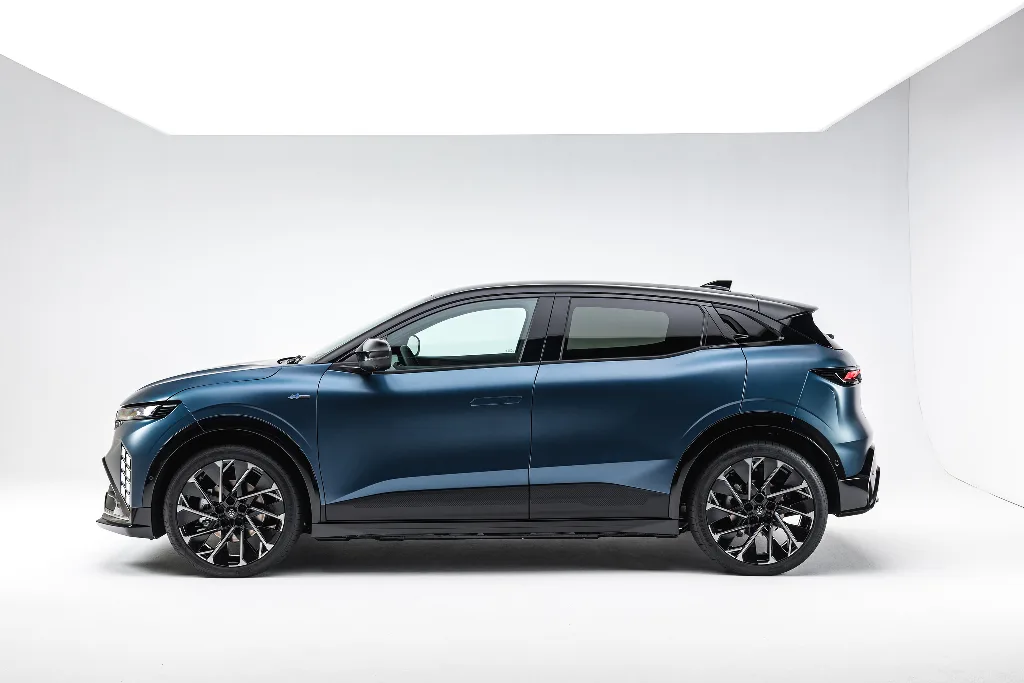
The main technical update is the new 67 kWh LFP battery, replacing the previous 60 kWh NMC pack. Renault claims up to 500 km of WLTP range, compared with roughly 470 km for the previous long-range version. The improvement is real, but it is not transformative: the biggest change is in battery capacity, chemistry and manufacturing efficiency rather than a dramatic range increase. The pack uses a cell-to-pack architecture with 232 cells, helping Renault make better use of available space and reduce structural complexity.
Fast charging also improves. Maximum DC charging power rises to 165 kW, up from 130 kW in the previous model, and Renault claims a 15% to 80% charge in around 24 minutes. This is a meaningful upgrade for drivers who use the Megane on longer journeys, because it cuts charging stops and improves travel convenience. The car also retains the heat pump, battery preconditioning, Google Maps route planning and the option of a 22 kW bidirectional AC charger with Vehicle-to-Load capability.
Over recent months, rumours suggested that the facelift could receive an 87 kWh battery, potentially borrowing technology from the Scenic E-Tech. That would have pushed the Megane well beyond 550 km WLTP and made it a much more ambitious long-distance electric car. In the end, Renault has chosen a 67 kWh battery, meaning the updated Megane improves on its predecessor but does not move into a different category. For drivers who already liked the Megane for its design, handling and Google-based infotainment, this facelift makes sense. For those waiting for a major range leap or an 800-volt architecture, the next generation will be the model to watch.
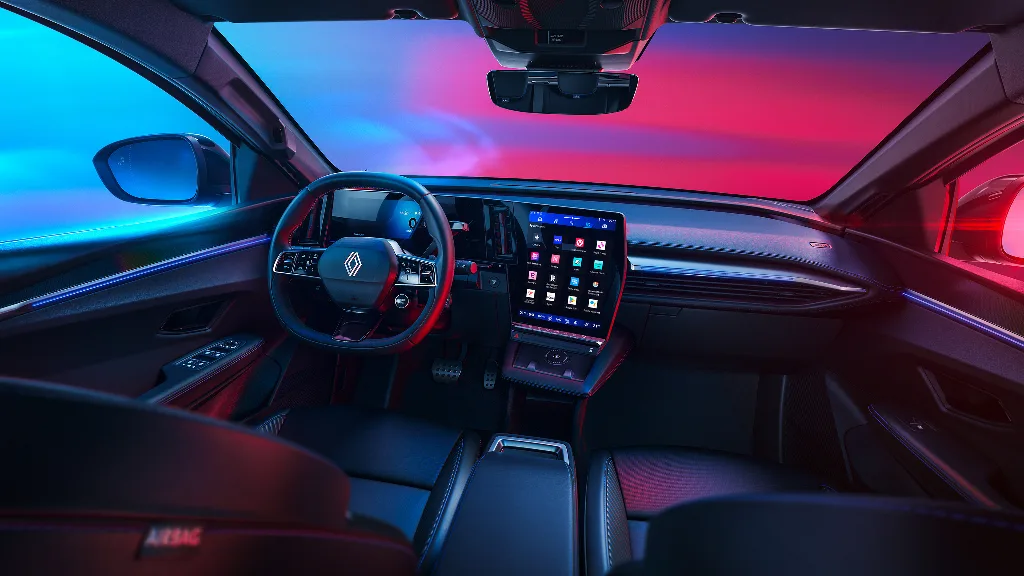
Inside, the Megane keeps the openR layout with a 12.3-inch digital instrument cluster and a 12-inch multimedia display. The biggest evolution is software-related, with Google built-in, Google Gemini as a conversational assistant, more than 100 available apps and three years of integrated data for online services without relying on a phone hotspot. New features also include driver recognition, Smart Mode, One Pedal driving with steering-wheel paddles and a simplified line-up with just two trims: Techno and Esprit Alpine.
There is no conceptual change to the driving experience, but Renault has revised the springs, damping and steering calibration to compensate for the new battery and preserve the Megane’s agile character. The platform still places the battery low in the floor, supporting a low centre of gravity and rear multi-link suspension. Output remains at 220 hp and 300 Nm, while production stays in France: vehicle and battery assembly in Douai, motor production in Cléon. That fully European supply chain also allows the Megane to qualify for France’s Auto+ programme.
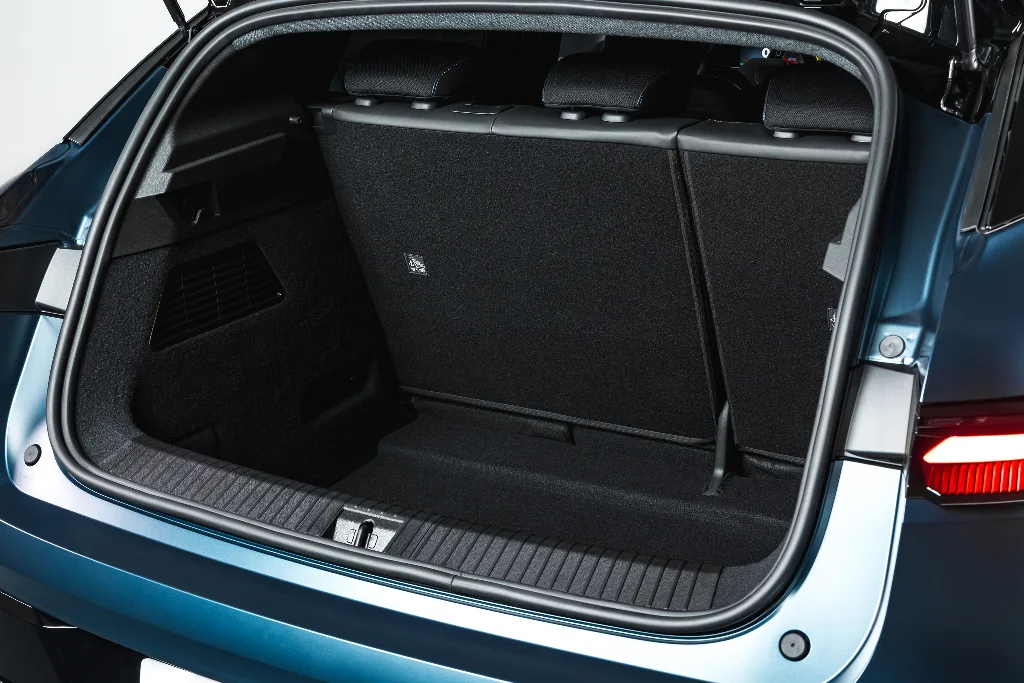
The conclusion is straightforward: the new Renault Megane E-Tech Electric is a well-focused update, with real improvements in charging, battery technology, software, styling and equipment, but it is not the revolution some earlier reports suggested. Renault has chosen to strengthen a product that was already competitive rather than undertake an expensive transformation halfway through its lifecycle. The true generational change should arrive around 2028 or 2029, likely bringing a more advanced platform, greater range, next-generation electrical architecture and a more ambitious position against the electric compact cars that will be on the market by then.